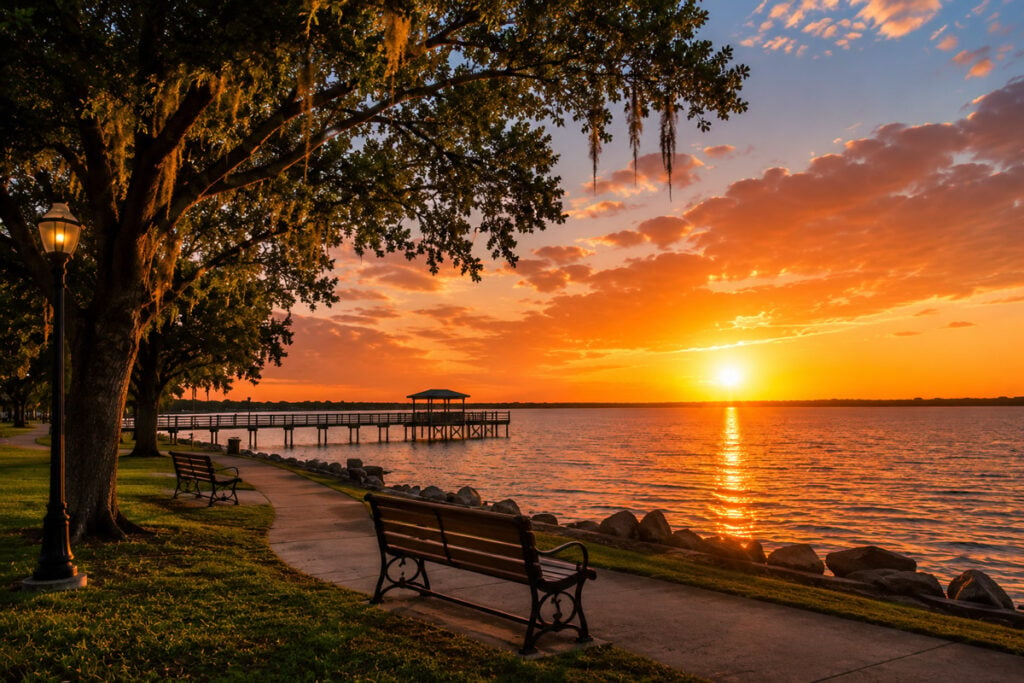

15 Summer Day Trips from Ciggys4Less for the Best Florida Sunsets
May 19, 2026
12 Small Florida Towns Worth Visiting from Leesburg
June 16, 2026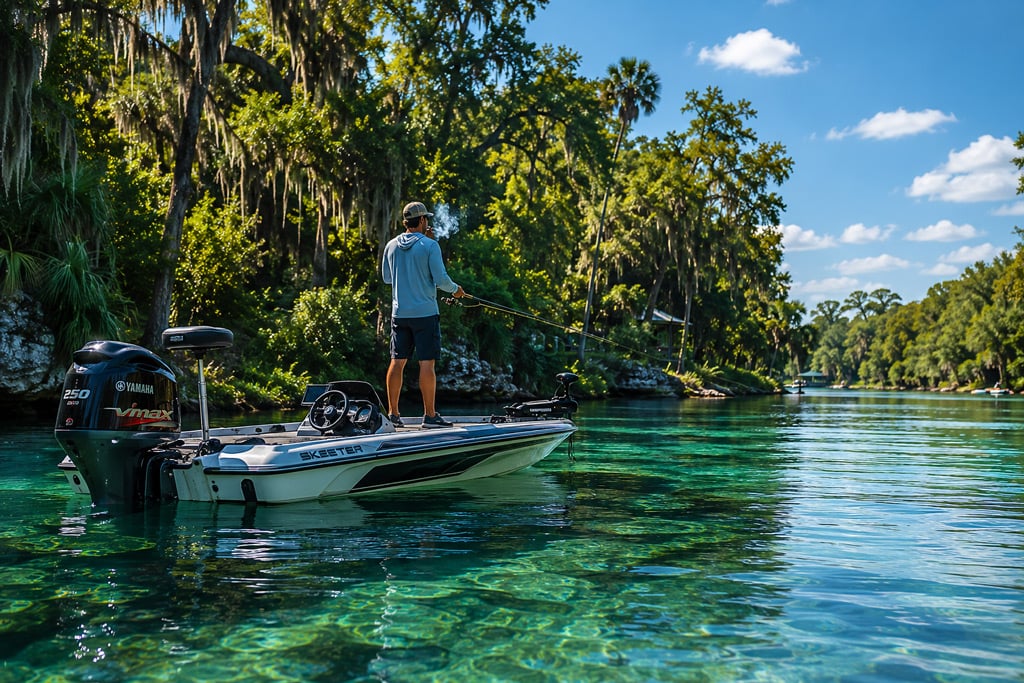
The Ultimate Florida Fishing Trip Checklist: What Experienced Anglers Never Forget
There are few better ways to spend a Florida morning than heading out before sunrise, launching the boat, and watching the water come alive as the day begins. Whether you’re fishing Lake Harris, the Clermont Chain, the St. Johns River, Mosquito Lagoon, Crystal River, or one of Florida’s countless lakes and waterways, preparation often makes the difference between a great day and a frustrating one.
Experienced anglers know that the best fishing trips don’t start at the boat ramp. They start the night before with planning, organization, and making sure nothing important gets left behind. A little preparation helps you avoid wasted time, unnecessary stops, and preventable problems once you’re already on the water.
If you’re planning a Florida fishing trip this summer, use this checklist to make sure you’re ready before leaving the driveway.
Start with the Weather Forecast
Florida weather can change quickly, especially during the summer months. A morning that starts calm and clear can turn into a hot, windy, stormy afternoon before you know it. Checking the forecast is not just about deciding whether to go fishing – it’s about knowing how to plan your day, when to launch, when to return, and what conditions to expect while you’re out there.
Before every trip, check:
- Hourly temperature – Don’t just look at the high for the day. Florida heat builds quickly, and an 8 AM launch can feel completely different by noon.
- Wind speed and direction – Wind affects casting, boat control, drift speed, and comfort. Even a beautiful sunny day can become frustrating if the wind makes your fishing spot difficult to manage.
- Rain chances – Afternoon rain is common in Florida, especially during summer. A low morning rain chance does not always mean the entire day will stay dry.
- Thunderstorm timing – Lightning is one of the biggest dangers on the water. If storms are expected in the afternoon, plan to launch early and return before conditions become unsafe.
- Sunrise and sunset times – These windows often provide some of the best fishing conditions. They also help you plan launch timing, return timing, and lighting needs.
- Tide charts for coastal fishing – If you’re fishing saltwater, tides can completely change fish movement. Plan around moving water whenever possible.
- Marine forecast for coastal trips – Inland weather may look fine while coastal waters are rough. Always check marine conditions if you’re heading toward the Gulf or Atlantic.
- Heat index – The actual temperature is only part of the story. Humidity can make the day feel much hotter and increase the risk of heat exhaustion.
A good forecast check helps you build the day around real conditions instead of wishful thinking. Experienced anglers don’t just hope the weather works out – they plan around it.
Confirm Your Fishing License
It’s one of the easiest things to forget, especially if you don’t fish every week. Before heading out, make sure your fishing license is current and valid for the type of fishing you’re planning. Florida has different rules depending on where and how you fish, so checking ahead of time can save you from problems later.
Before your trip, verify:
- Freshwater license – Needed for many lake, river, and pond fishing trips. This matters if you’re heading to places like Lake Harris, Lake Griffin, Lake Louisa, or the Clermont Chain.
- Saltwater license – Required for many coastal fishing trips. If you’re heading toward Mosquito Lagoon, Crystal River, the Gulf Coast, or the Atlantic, confirm you’re covered.
- Shoreline exemptions – Some shoreline fishing situations may have different requirements. Don’t assume you’re exempt without checking current Florida rules.
- Boat-based fishing rules – Fishing from a boat may require different licensing than fishing from shore. This is especially important if someone else is taking you out.
- Species-specific regulations – Size limits, bag limits, and seasonal closures can vary. What applies to bass will not be the same as what applies to redfish, trout, or snook.
- Youth and senior rules – Some age groups may have different requirements, but it’s still worth confirming before the trip.
- Digital proof – Keep a screenshot or digital copy of your license on your phone in case cell service is weak at the ramp.
A license check only takes a few minutes, but it can prevent an expensive mistake. Make it part of your night-before routine so you can focus on fishing once the day begins.
Inspect Your Boat Before Leaving
Nothing ruins a fishing trip faster than discovering a problem after arriving at the launch. A quick inspection at home gives you time to correct small issues before they become major headaches. Experienced boat owners usually check the same things before every trip because they know the ramp is the worst place to find out something doesn’t work.
Before towing the boat, inspect:
- Fuel level – Never rely only on memory. Check the tank and make sure you have enough fuel for the full day, including extra for unexpected running.
- Engine oil – Low oil can lead to serious engine problems. A quick check before leaving is worth the time.
- Battery charge – Make sure your starting battery and trolling motor batteries are charged. Weak batteries can leave you stranded or limit your fishing time.
- Navigation lights – If you’re launching before sunrise or returning near sunset, working lights are essential.
- Bilge pump – Test it before leaving home. A working bilge pump is one of those things you may not think about until you really need it.
- Livewell operation – If you plan to keep bait or fish alive, confirm the livewell fills, circulates, and drains properly.
- Electronics – Turn on your fish finder, GPS, and other equipment before you go. It’s easier to troubleshoot at home than on the water.
- Drain plug – This is simple but critical. Make sure it’s installed before launching.
- Safety gear – Confirm life jackets, throwable flotation, fire extinguisher, whistle, and other required safety items are on board.
- Anchor and rope – Check that your anchor line is secure and long enough for the areas you plan to fish.
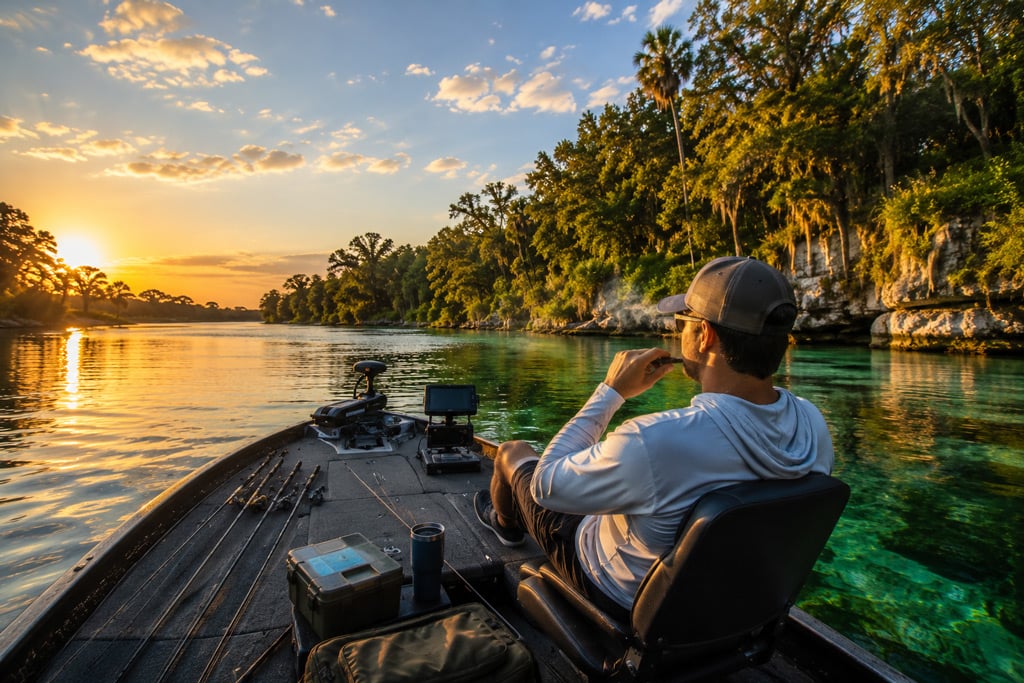
A five-minute boat check can save an entire day. It also gives you peace of mind when you finally get on the water.
Don’t Forget the Trailer
Many anglers spend plenty of time checking the boat but forget the trailer. That’s a mistake. Your fishing trip depends on the trailer just as much as the boat, and a trailer problem on the highway can end the day before it starts.
Before leaving, check:
- Tire pressure – Trailer tires often sit for long periods. Low pressure can lead to blowouts, especially in Florida heat.
- Tire condition – Look for cracks, dry rot, uneven wear, or bulges. A tire that looks questionable at home will not improve on the road.
- Wheel bearings – Listen for noise and feel for heat after short drives. Bearing issues can become serious quickly.
- Trailer lights – Test brake lights, turn signals, and running lights. Other drivers need to see what you’re doing.
- Safety chains – Make sure they are crossed and properly connected to the tow vehicle.
- Hitch connection – Confirm the coupler is locked onto the ball and the correct pin is installed.
- Winch strap – Inspect for wear or fraying. The bow needs to stay secure while towing.
- Transom straps – These help keep the boat stable on the trailer. Don’t skip them.
- Spare tire – Make sure you have one and that it’s usable. A flat spare is not much help.
- Jack and tools – Bring what you need to change a trailer tire if something happens.
A good trailer inspection is part of being prepared, not being overly cautious. The smoother the drive to the ramp, the better the day starts.
Bring More Water Than You Think You’ll Need
Florida heat can be relentless, especially once you’re on open water with limited shade. Even when the fishing is good, dehydration can sneak up quickly. A good rule is simple: bring more water than you think you’ll need, because running out is not an option.
Pack hydration supplies such as:
- Bottled water – Bring enough for everyone on board. It’s better to come home with extra water than to run short.
- Large refillable jugs – A larger water container can help refill bottles and reduce waste.
- Sports drinks – These can help replace electrolytes during long, hot days.
- Electrolyte packets – Easy to pack and useful when someone starts feeling drained.
- Ice – Keeps drinks cold and helps cool down towels or food. Bring more than you think you’ll need.
- Backup emergency water – Keep a separate reserve that doesn’t get touched unless needed.
- Cooler storage – Use a reliable cooler that can handle a full day in the sun.
- Frozen water bottles – These help keep the cooler cold and become drinkable later in the day.
Hydration is one of the simplest things to plan and one of the easiest things to underestimate. If everyone stays hydrated, the whole trip feels better from start to finish.
Pack Smart Food Options
Fishing days can easily turn into all-day adventures. You may launch before sunrise, fish through lunch, and stay out longer than expected if the bite is good. Having easy food on hand keeps everyone comfortable and prevents unnecessary trips back to shore.
Good fishing-trip food includes:
- Sandwiches – Easy to pack, easy to eat, and filling enough for a long day.
- Protein bars – Great for quick energy without needing much cooler space.
- Fruit – Oranges, apples, grapes, and bananas are easy options that feel refreshing in the heat.
- Trail mix – A simple snack that holds up well and provides steady energy.
- Jerky – Compact, filling, and easy to keep in a tackle bag or cooler.
- Crackers – Good for light snacking and easy to share.
- Chips or pretzels – Salty snacks can be helpful on hot days, especially with plenty of water.
- Breakfast items – If you launch early, bring muffins, breakfast sandwiches, or granola so you’re not fishing on an empty stomach.
- Cooler-safe meals – Wraps, pasta salad, and cold chicken can work well if packed properly.
- Trash bags – Food packaging adds up quickly. Bring a bag so nothing ends up in the boat or water.
A well-packed cooler keeps the day relaxed. When food and drinks are handled before launch, you can stay focused on fishing instead of hunting for a place to stop.
Organize Tackle Before You Leave
One of the biggest mistakes anglers make is organizing tackle at the ramp. That wastes time, creates frustration, and increases the chance that something important gets left behind. The night before your trip is the best time to sort gear, check supplies, and prepare for the type of fishing you plan to do.
Make sure you have:
- Hooks – Bring multiple sizes based on your target species. Bass, panfish, catfish, redfish, and trout may all require different setups.
- Sinkers – Different depths, currents, and wind conditions call for different weights.
- Swivels – Useful for reducing line twist and changing rigs quickly.
- Leaders – Essential for certain species and conditions, especially in saltwater or around structure.
- Extra line – Line breaks happen. Having extra line can save the day.
- Favorite lures – Don’t assume you’ll be able to buy your go-to lure near the ramp.
- Soft plastics – Worms, paddle tails, flukes, and creature baits are easy to pack and versatile.
- Hard baits – Crankbaits, topwater plugs, jerkbaits, and spoons all have their place.
- Pliers – Needed for removing hooks, crimping, and handling fish safely.
- Line cutters – A small tool that gets used constantly and is easy to forget.
- Tackle trays – Keep similar items together so you aren’t digging through a mess.
- Bait bucket or live bait container – If using live bait, make sure you have proper storage and aeration.
The best tackle system is the one you can use quickly. When everything is organized before you leave, you spend more time fishing and less time searching.
Charge Every Electronic Device
Modern fishing often depends on electronics, especially for boaters. Phones, GPS units, trolling motors, fish finders, cameras, and portable chargers all need power. A dead device can be inconvenient, but in some cases it can also become a safety issue.
Before leaving, charge:
- Phone – Your phone is your camera, communication tool, weather checker, map, and emergency contact device.
- Fish finder – Make sure it powers on and reads correctly before the trip.
- GPS unit – Especially important for unfamiliar water or coastal trips.
- Trolling motor batteries – A weak trolling motor battery can limit your ability to stay on fish.
- Starting battery – Confirm the main battery has enough power to start reliably.
- Camera or action camera – If you plan to capture the trip, charge batteries and clear memory cards.
- Portable battery bank – Useful for charging phones or small devices during the day.
- VHF radio – Important for some coastal and larger-water trips.
- Headlamp or flashlight – Essential for early launches or late returns.
- Bluetooth speaker – Optional, but if you bring one, keep volume respectful around others.
Charging should be part of your night-before checklist. Once the sun comes up and the boat is moving, it’s too late to realize something important is dead.
Prepare for Florida Sun
Florida sunshine is one of the reasons people love fishing here, but it can also wear you down fast. Even on partly cloudy days, UV exposure on the water can be intense because sunlight reflects off the surface. Preparing for sun exposure helps keep the trip enjoyable and prevents the kind of burn or heat fatigue that can ruin the next few days.
Bring sun protection such as:
- Sunscreen – Use a high-SPF sunscreen and reapply throughout the day, especially after sweating or getting wet.
- Polarized sunglasses – These reduce glare and help you see into the water more clearly.
- Wide-brim hat – Protects your face, ears, and neck better than a standard cap.
- Lightweight long-sleeve shirt – Keeps sun off your skin while still allowing airflow.
- Cooling towel – Wet it, wring it out, and keep it around your neck during hot parts of the day.
- Neck gaiter – Useful for sun protection, especially when running the boat.
- Lip balm with SPF – Lips burn easily and are often overlooked.
- Shade option – A T-top, umbrella, or portable canopy can make a major difference.
- Light-colored clothing – Helps reflect heat and keeps you more comfortable.
- Extra shirt – Having a dry shirt for the ride home can make the end of the trip much better.
Sun protection is not just about comfort. It helps you stay alert, patient, and safe during long hours outdoors.
Know Your Launch Ramp
Not all boat ramps are created equal. Some are wide and easy to use, while others have limited parking, shallow water, narrow lanes, or heavy weekend traffic. Knowing the ramp before you arrive helps you avoid surprises and keeps the launch process smoother for everyone.
Before choosing a ramp, research:
- Parking availability – Some ramps fill early, especially on weekends and holidays.
- Ramp condition – Steepness, surface quality, and water depth can vary.
- Launch fees – Some ramps require payment, passes, or exact change.
- Operating hours – Don’t assume every ramp is open 24 hours.
- Lighting – Important if launching before sunrise or returning after dark.
- Dock availability – A dock can make solo launching or loading much easier.
- Restrooms – Helpful for longer trips and family outings.
- Traffic patterns – Popular ramps can get backed up during peak launch and return times.
- Nearby fuel – Know where to fuel up before arriving.
- Security – Park in well-lit, designated areas and avoid leaving valuables visible.
A little ramp research saves time and stress. It also helps you be courteous to other boaters by launching quickly and efficiently.
Have a Backup Fishing Plan
The best anglers adapt. Sometimes your first spot is crowded, the fish aren’t biting, the wind is wrong, or the water looks completely different than expected. Having a backup plan keeps the day from falling apart when conditions change.
Build a backup plan with:
- Second fishing spot – Choose another area nearby in case your first location doesn’t work.
- Different target species – If bass aren’t biting, maybe panfish, catfish, or saltwater species are more active.
- Alternative bait or lure strategy – Bring options for shallow, deep, clear, muddy, calm, and windy conditions.
- Protected water – Know where to go if wind makes open water uncomfortable.
- Shoreline option – If boating plans fall through, a shoreline or dock spot can still save the day.
- Rain plan – Know where you can safely wait out passing weather if needed.
- Short-trip option – If the day gets too hot or stormy, have a shorter route or closer destination in mind.
- Different ramp – If your preferred ramp is full, know another launch option.
- Food stop – If the trip turns into more of a scenic day than a fishing day, having a good local restaurant in mind helps.
- Return time – Know when to call it and head back before the day becomes stressful.
A backup plan does not mean expecting failure. It means being experienced enough to keep the day enjoyable no matter what happens.
Time Your Arrival Carefully
Many experienced anglers arrive earlier than most people expect. Early arrival reduces stress, improves parking chances, and often puts you on the water during better fishing conditions. In Florida, it also helps you avoid the worst heat of the day.
Arriving early can help with:
- Ramp parking – Popular ramps fill quickly during weekends and holidays.
- Cooler temperatures – Morning fishing is usually more comfortable than midday fishing.
- Better fish activity – Many species are more active around sunrise.
- Less boat traffic – Early hours often mean calmer water and fewer wakes.
- Easier launching – A quiet ramp is much easier than a crowded one.
- More flexible plans – Starting early gives you time to adjust if conditions change.
- Safer travel – Driving and launching before crowds build can make the whole day smoother.
- Golden hour conditions – Sunrise and sunset often provide some of the best light and most memorable moments.
- Less pressure – You won’t feel rushed if you arrive with time to spare.
- Better mood – A calm start sets the tone for the rest of the day.
Timing can shape the entire trip. The anglers who consistently have smoother days are usually the ones who gave themselves enough time from the start.
Respect Wildlife and Other Anglers
One of the greatest things about fishing in Florida is the wildlife you may encounter throughout the day. From freshwater lakes in Lake County to coastal waters along the Gulf and Atlantic coasts, sharing the environment with native animals is part of the experience. Experienced anglers understand that respecting wildlife protects the animals, keeps people safe, and helps preserve Florida’s natural beauty for future generations.
When you encounter wildlife and other people on the water, keep these guidelines in mind:
- Manatees – These gentle animals are protected and should never be chased, touched, or followed. Slow down in posted zones and let them move naturally.
- Alligators – Keep plenty of distance and never feed them. An alligator that becomes comfortable around people can become dangerous.
- Birds – Herons, egrets, ospreys, pelicans, and gulls are common near fishing areas. Do not feed them scraps or bait because it can change their behavior and create problems.
- Dolphins – If fishing in saltwater, dolphins may surface near the boat. Enjoy the moment, but don’t try to interact or steer toward them.
- Turtles – Watch for turtles near grass, docks, and shallow water. Avoid leaving line or hooks where they can become tangled.
- Snakes – Florida has water snakes and other species near shorelines. Give them space and don’t try to handle them.
- Other boats – Slow down near anchored boats, kayaks, paddleboards, and people fishing from shore.
- Shore anglers – Give them casting room. Don’t run directly through the water they’re fishing.
- Kayakers and paddleboarders – They sit low in the water and may be harder to see. Keep distance and reduce wake.
- Private docks – Be respectful around docks and waterfront homes. Fish carefully and avoid damaging property.
- Noise levels – Keep music and engine noise reasonable, especially in quiet coves and early morning areas.
- Wake zones – Follow posted signs and slow down where required.
Respect keeps Florida fishing enjoyable for everyone. A good angler pays attention not only to the fish, but also to the people, animals, and places around them.
Leave No Trace
One of the simplest ways to preserve Florida’s lakes, rivers, beaches, and coastlines is cleaning up after yourself. Fishing creates more waste than people realize, from bait containers and packaging to broken line and food wrappers. Leaving no trace is not complicated, but it does require paying attention before you leave.
Always remove or properly dispose of:
- Fishing line – Loose line can injure birds, turtles, fish, and other wildlife. Keep old line in a container until you can dispose of it properly.
- Hooks – Never leave hooks on the ground, dock, or boat ramp. They are dangerous to people, pets, and wildlife.
- Soft plastics – Used worms, tails, and other plastics should never be thrown into the water.
- Bait containers – Cups, bags, and tubs are easy to forget at the ramp or shoreline.
- Food packaging – Wind can carry wrappers and bags into the water quickly.
- Beverage containers – Cans, bottles, and cups should go back into your cooler or trash bag.
- Cigarette waste – Never toss filters into the water, on trails, or near ramps. Bring a small container or use proper trash disposal.
- Ice bags – These often blow away at ramps and parking areas.
- Broken gear – Damaged floats, leaders, packaging, and tackle pieces should go home with you.
- Fish remains – Follow local rules for cleaning fish and disposing of remains.
- Charcoal or grill waste – If cooking near the water, dispose of ashes and food waste properly.
- Plastic bags – Bring a trash bag and secure it so it doesn’t blow out of the boat.
Leaving no trace is about respect. If every angler cleans up a little more than they brought, Florida’s fishing spots stay better for everyone.
Stop by Ciggys4Less Before You Hit the Water
The best fishing trips start with preparation. Whether you’re heading to Lake Harris, Lake Griffin, the St. Johns River, Mosquito Lagoon, Crystal River, or the Gulf Coast, making a quick stop before the drive can help avoid expensive convenience-store purchases later in the day. Planning ahead keeps your trip focused on fishing instead of last-minute errands.
Before heading out, consider picking up:
- Preferred tobacco products – Stocking up before the drive helps avoid paying more at random stops along the way.
- Roll Your Own supplies – For adult smokers who use RYO, having supplies ready before a full day outdoors is part of preparation.
- Carton options – Buying ahead can be more convenient than stopping repeatedly.
- Lighters – Easy to forget and frustrating to be without.
- Backup lighter or matches – Wind, water, and boat storage can make backups useful.
- Travel-friendly storage – Keep items protected from heat, moisture, and loose gear.
- Small disposal container – Useful for keeping cigarette waste contained until you reach a proper trash can.
- Road trip extras – If your route includes a long drive, planning ahead reduces impulse stops.
- Weekend supplies – If the fishing trip turns into a longer outdoor weekend, it helps to be stocked before leaving town.
- RYO blend guidance – If you’re still dialing in your preferred flavor, Ciggys4Less can help before your trip.
Located in Leesburg, Ciggys4Less is conveniently positioned for many Central Florida fishing routes. A quick stop before the water can make the rest of the day easier.
Tight Lines and Safe Travels
Florida offers some of the best freshwater and saltwater fishing opportunities in the country. With a little preparation, you can spend less time worrying about forgotten gear and more time enjoying the experience. Whether you’re chasing bass at sunrise, drifting a spring-fed river, or watching the sun set from a center console boat, the best fishing trips are usually the ones where everything was ready before you left home.
Good fishing days are built on simple habits: planning ahead, packing carefully, respecting the water, and knowing when to adapt. Prepare well, enjoy the day, and make the most of everything Florida fishing has to offer.

Ciggys4Less Media Team by Nethe.rs Web Design